The appearance of a tumor in the parotid gland does not mean that all cases are similar or that surgery is the same for everyone. The tumor may be benign, or it may be malignant, and in some cases the tumor appears again after it was previously removed. The treatment for each type varies depending on its nature, location, size, and the extent of its effect on the surrounding tissues, especially the facial nerve that passes inside the gland. Therefore, accurately determining the type of tumor is the first step towards choosing the appropriate parotid tumor treatment.
In this article, we learn how to diagnose a parotid gland tumor, the most important treatment options available, when surgery is necessary, what its procedures include and what to expect during the recovery period.

Methods of treating parotid gland tumor
Treatment of a parotid gland tumor depends on the type of tumor, its size, its location within the gland, and the results of tests and imaging. In many cases, surgical removal of the tumor is the primary treatment, whether the tumor is benign or malignant, with the size of the resection determined according to the nature of the case.
- In some cases, the doctor may recommend monitoring the tumor instead of surgery, especially if surgery is not suitable for the patient due to age or other health problems.
- If the tumor is malignant, the patient may need additional treatments after surgery, such as radiation therapy, and chemotherapy or targeted therapy may be used in specific cases depending on the nature of the cancer and the extent of its spread.
The doctor determines the treatment plan for a parotid gland tumor after fully evaluating the results of the tests, so there is no single method that suits all cases of parotid tumors.
Surgical removal of parotid gland tumor
- In some cases, the tumor can be removed along with part of the parotid gland while preserving the remaining part of it, while larger tumors or those located in the deeper parts of the gland may require removal of the entire parotid gland.
- In some cases of parotid gland cancer that has spread to nearby tissues, bones, or muscles, the surgeon may need to remove the affected tissue along with the tumor, while performing reconstruction of the area when needed.
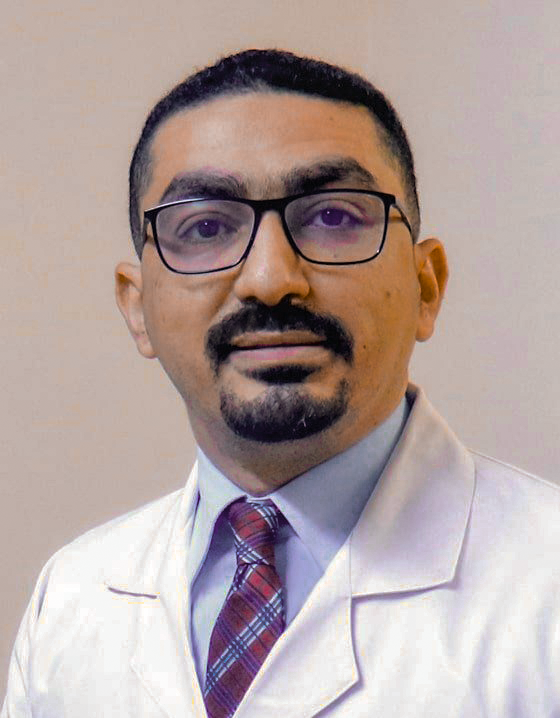
Dr. Muhammad Adel pays special attention to the facial nerve during the treatment of a parotid gland tumor, because it passes inside the parotid gland and controls the movement of the facial muscles. Methods may be used to monitor the nerve during surgery to help maintain as much function as possible.
How is the tumor removed to treat the parotid gland?
Parotid tumor removal is usually performed under general anesthesia. The incision is made near the ear, and is often placed in natural creases or areas that help reduce the visibility of the scar after healing.
After reaching the gland, the surgeon works to remove the tumor and the required part of the gland according to the plan specified before the operation. In some cases, a sample of the tumor can be examined during surgery to help determine its nature and determine the extent of resection required.
The surgeon may place a temporary drainage tube after the operation to drain blood or fluids and prevent their accumulation in the surgical area. It is then removed according to the patient’s condition and the instructions of the treating team.
Use of facial nerve monitoring during parotid gland surgery
One of the most important challenges during the treatment of parotid gland tumor by excision is: Dealing with the facial nerve, which passes inside the gland and branches into precise parts that control the movement of the facial muscles. Therefore, Dr. Muhammad Adel in some surgeries for parotid gland tumors on a nerve monitoring device during surgery, which helps determine the path of the facial nerve, identify its fine branches, and follow its response during the stages of resection.
The importance of this technique increases in cases where the tumor is close to a nerve, or in recurrent tumors that may be accompanied by fibrosis and tissue adhesions, as well as in some malignant tumors that require precise resection. The use of nerve monitoring, combined with meticulous surgical experience, helps to handle the nerve as carefully as possible while removing the tumor.
D. Muhammad Adel – Consultant in Head and Neck Surgeries and Endocrinology – is interested in parotid gland surgeries in achieving a balance between accurately removing the tumor and preserving the function of the facial nerve as much as possible, while determining the appropriate surgical technique to treat the parotid gland tumor according to the nature of each case.
What are the complications of parotid gland tumor removal?
Like any surgical operation, surgery to treat a parotid gland tumor may be associated with some complications, and the probability of their occurrence varies depending on the size of the tumor, its location, its proximity to the facial nerve, and the type of surgery.
One of the most prominent possible complications after Ola