The parathyroid glands are vital organs that regulate blood calcium levels by secreting parathyroid hormone (parathormone). Maintaining the proper balance of this hormone is crucial for bodily functions; any deficiency or excess can lead to numerous health issues.
In this article, we will explore the parathyroid glands—their functions and the hormone they secrete—as well as the causes of elevated parathyroid hormone levels. Is this condition hereditary, or are there other causes? Is overactivity dangerous? How is it treated, and who is the best specialist for parathyroid disorders? We will cover all these topics in detail in our article on the causes of elevated parathyroid hormone levels—stay tuned.
What is the parathyroid gland?
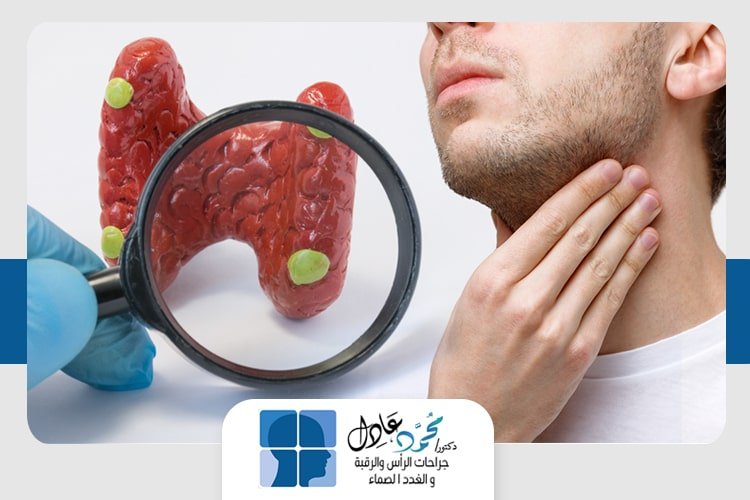
The parathyroid glands are responsible for secreting parathormone, a hormone that maintains calcium balance in the bloodstream. This, in turn, supports tissues that rely on calcium to function correctly, thereby ensuring the health of bones, nerves, and muscles.
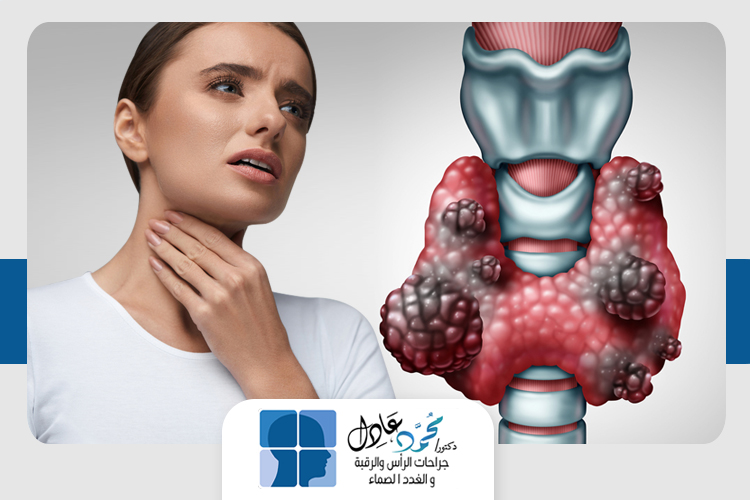
Most people have four parathyroid glands. Regarding their location, they are situated in the neck, adjacent to the thyroid gland—hence the name “parathyroid” (meaning “beside the thyroid”).
Normal Parathyroid Hormone Levels
The parathyroid glands secrete their hormone within specific ranges—often between 10 and 55 picograms per milliliter. Typically, parathyroid hormone levels peak during sleep and are at their lowest from midday through the evening.
Levels may also vary by season due to the inverse relationship between Vitamin D and parathyroid hormone.
The question arises: how can one tell if parathyroid hormone levels have risen, signaling a need to see a doctor? Individuals often experience specific symptoms indicating elevated parathyroid hormone levels, which we will discuss in the next section.
Increased Parathyroid Hormone Secretion
Elevated parathyroid hormone (parathormone) levels are categorized into two types: primary and secondary:
Primary: An increase in the hormone caused by enlargement or a tumor in one of the four glands.
Secondary: An increase in the hormone in an attempt to correct a deficiency in calcium, Vitamin D, or both, resulting from other medical conditions—most notably, chronic kidney failure.
Symptoms of Parathyroid Hypersecretion
There are numerous symptoms indicating hypersecretion by the parathyroid glands; these serve as signs of tissue or organ damage resulting from elevated calcium levels in the urine and blood. Such symptoms include:
- Increased incidence of kidney stones.
- Osteoporosis.
- Frequent urination.
- Bone pain.
- Loss of appetite.
- Nausea or vomiting.
- Poor concentration.
- Exhaustion and fatigue.
- Depression.
- Abdominal pain.
- Unexplained fatigue.
- Constant thirst.
Experiencing a combination of these symptoms may indicate elevated parathyroid hormone levels. But what causes this elevation? We will explore this in the next section.
Causes of Elevated Parathyroid Hormone Levels
The causes of elevated parathyroid hormone levels are as follows:
- Low vitamin D levels in the body.
- Kidney failure.
- Low calcium levels in the body.
- Rickets or osteomalacia (softening of the bones) in children.
- Breastfeeding or pregnancy.
- Medications that increase urine output (diuretics) or anticonvulsants.
- High blood lipid levels.
- Malabsorption syndrome.
Now that we have explored the causes of elevated parathyroid hormone levels, let us move on to how this condition is diagnosed.
Diagnosis of Parathyroid Tumors
Parathyroid hypersecretion is evaluated by measuring parathyroid hormone (PTH) and calcium levels in the blood.
The effects on the body manifest as the previously mentioned symptoms. Diagnosis is confirmed through essential tests, such as kidney evaluations (to detect calcification or stones), bone X-rays (to identify signs of bone tumors or osteoporosis), urinalysis, and bone density measurements (DEXA scan).
To confirm parathyroid overactivity and localize the affected gland(s)—determining whether the hyperactivity is confined to a single gland or involves multiple glands (potentially all four)—we conduct further imaging assessments, such as ultrasound or CT scans, or…