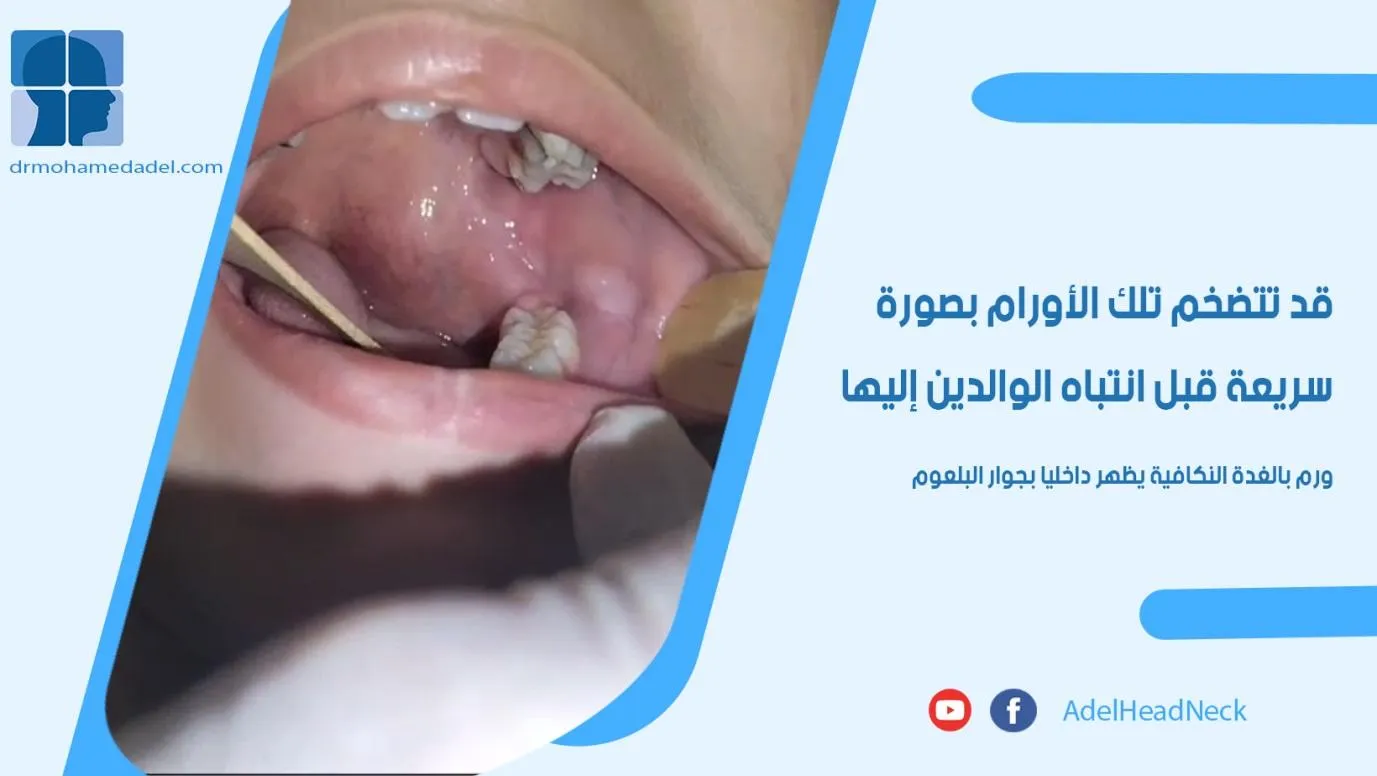
What Are Salivary Glands and What Is Their Function?
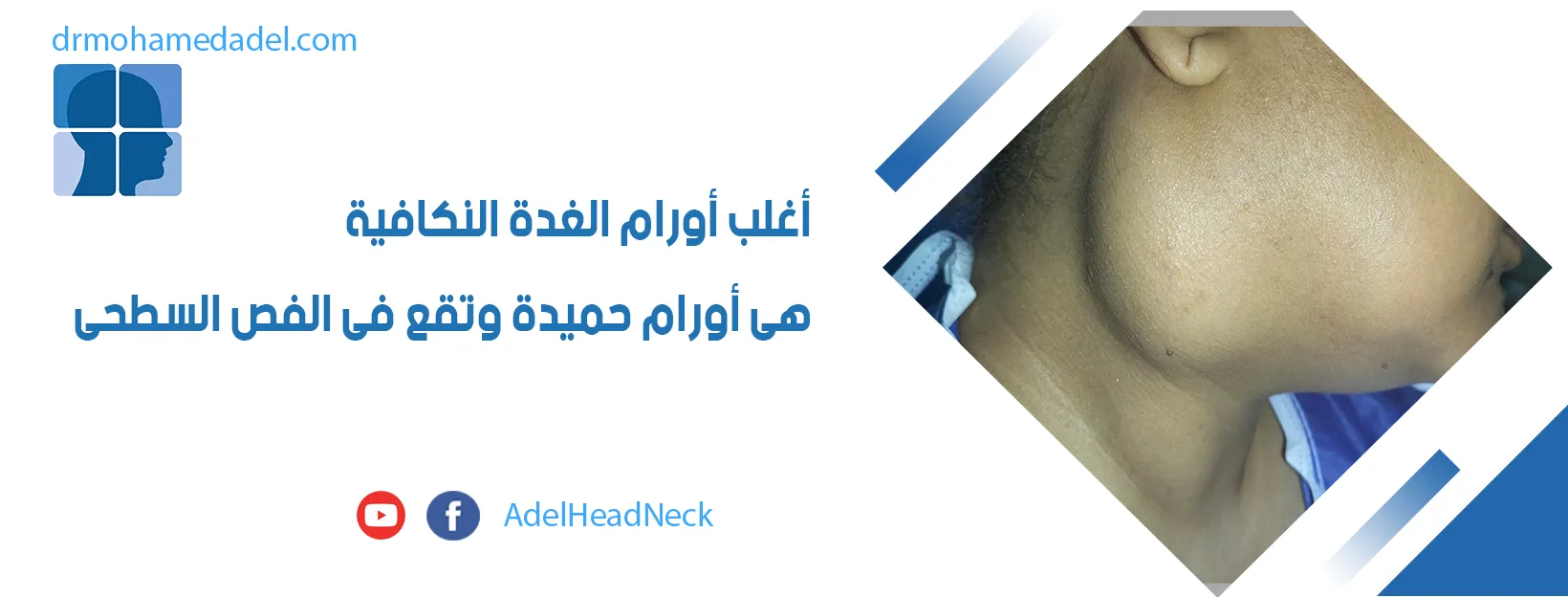
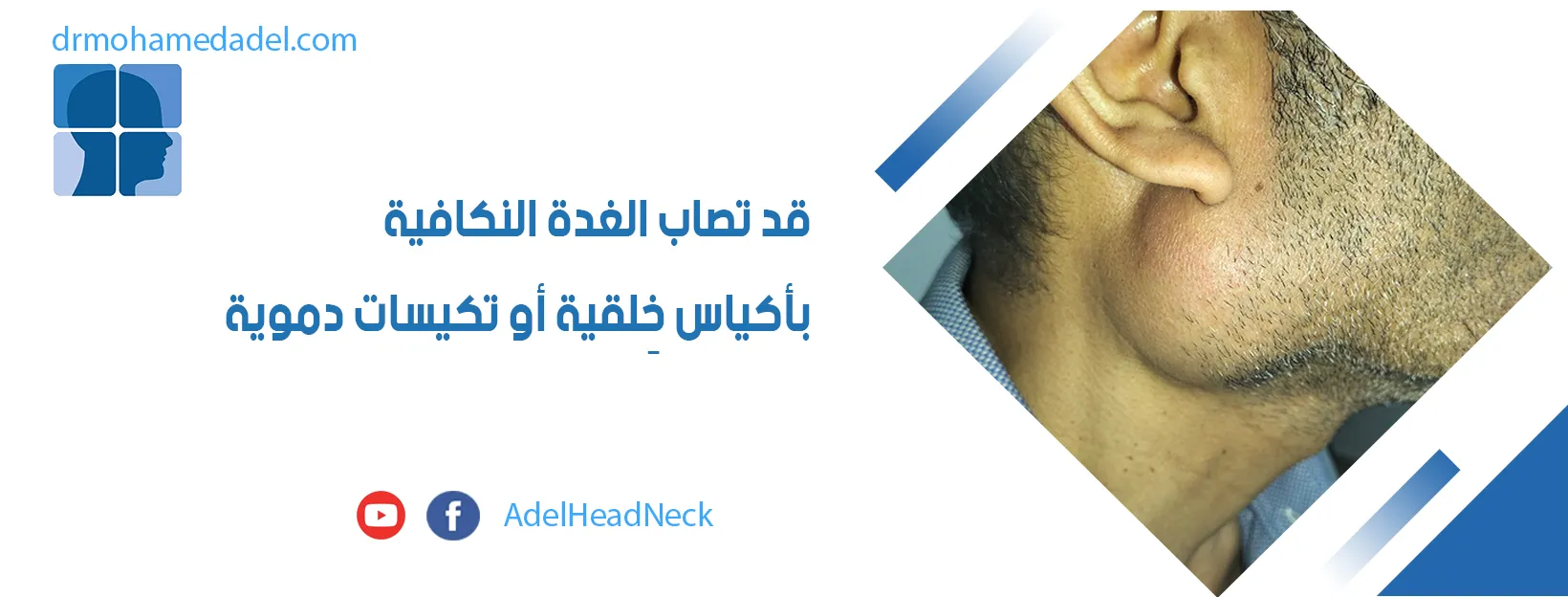
The body contains three pairs of major salivary glands: the sublingual glands, the submandibular glands (located beneath the jaw), and the parotid glands (situated on either side of the face). In addition to these, there are numerous minor salivary glands located in the lips, the inner cheeks, and throughout the mouth and throat; while these can also develop inflammation and tumors, such occurrences are less common than in the major glands.Salivary glands control the secretion of saliva into the mouth, aiding in the chewing, breakdown, and preparation of food before it continues its natural passage through the rest of the digestive system. Salivary gland tumors most frequently occur in the parotid glands, which account for the vast majority (85%) of all salivary gland tumors.To learn more about salivary gland inflammation and tumors…Minor Salivary Gland Tumors
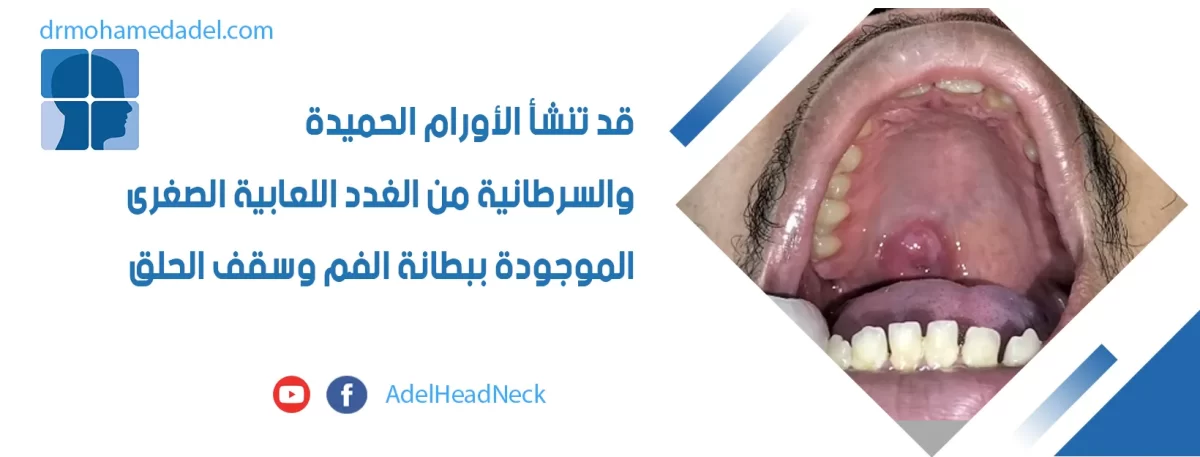
Minor salivary glands consist of approximately one thousand tiny glands distributed throughout the lining of the mouth, the tongue, the palate, the lips, and the pharynx. They can give rise to both benign and malignant tumors. The types of tumors originating in these glands are largely similar to those found in the major salivary glands. Evaluation focuses on the nature of the tumor, its relationship to surrounding tissues, the extent of its spread—if malignant—within the body, and the necessity of tissue reconstruction following tumor removal.Salivary Gland Stones
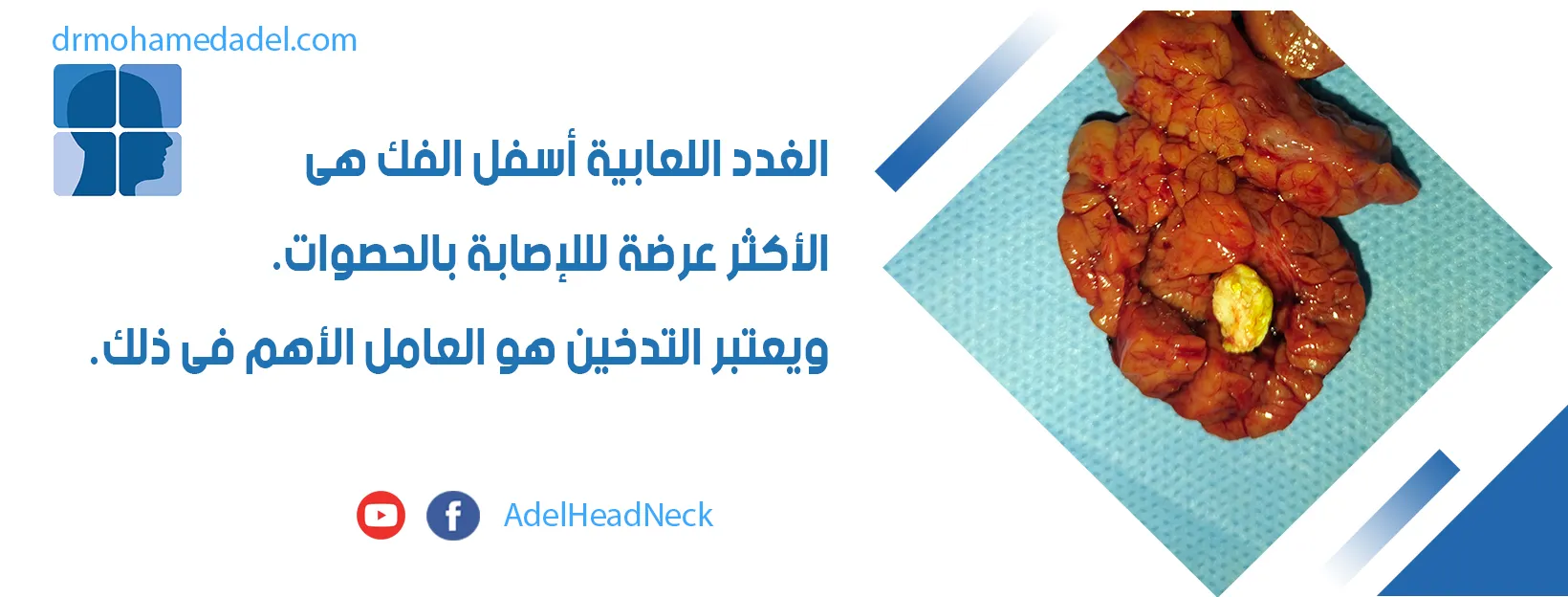
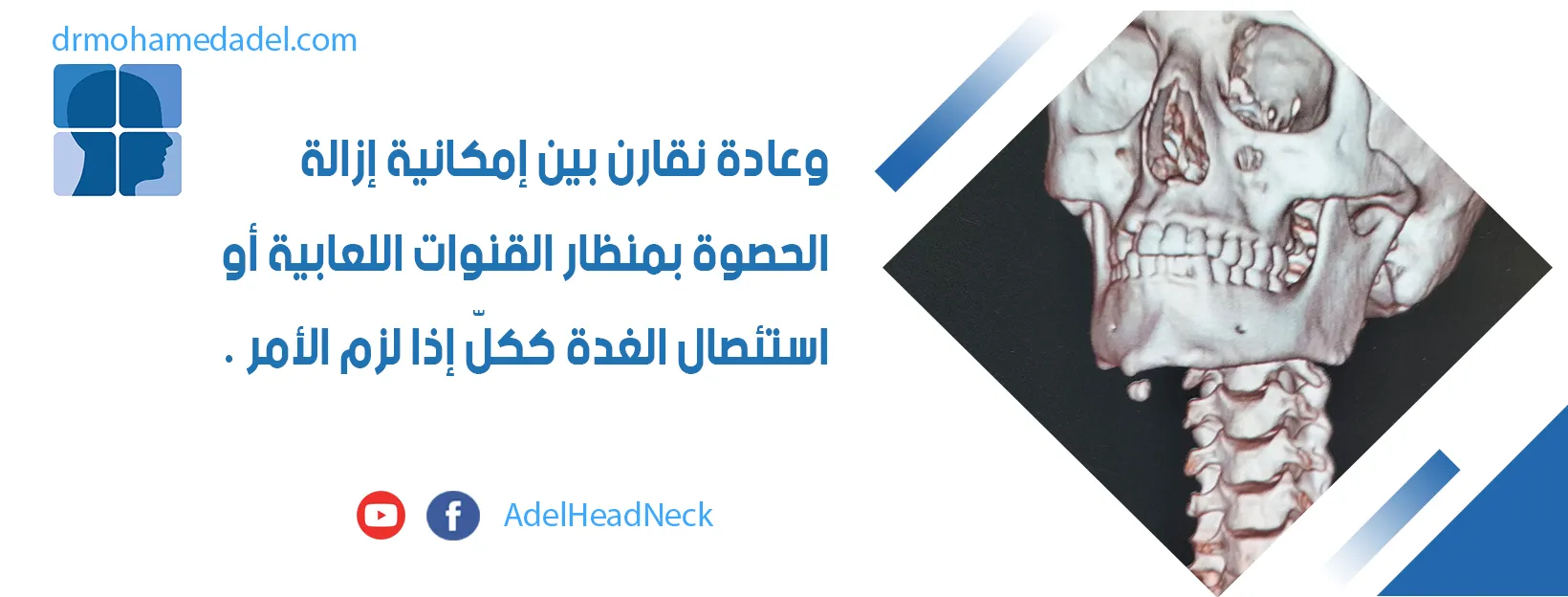
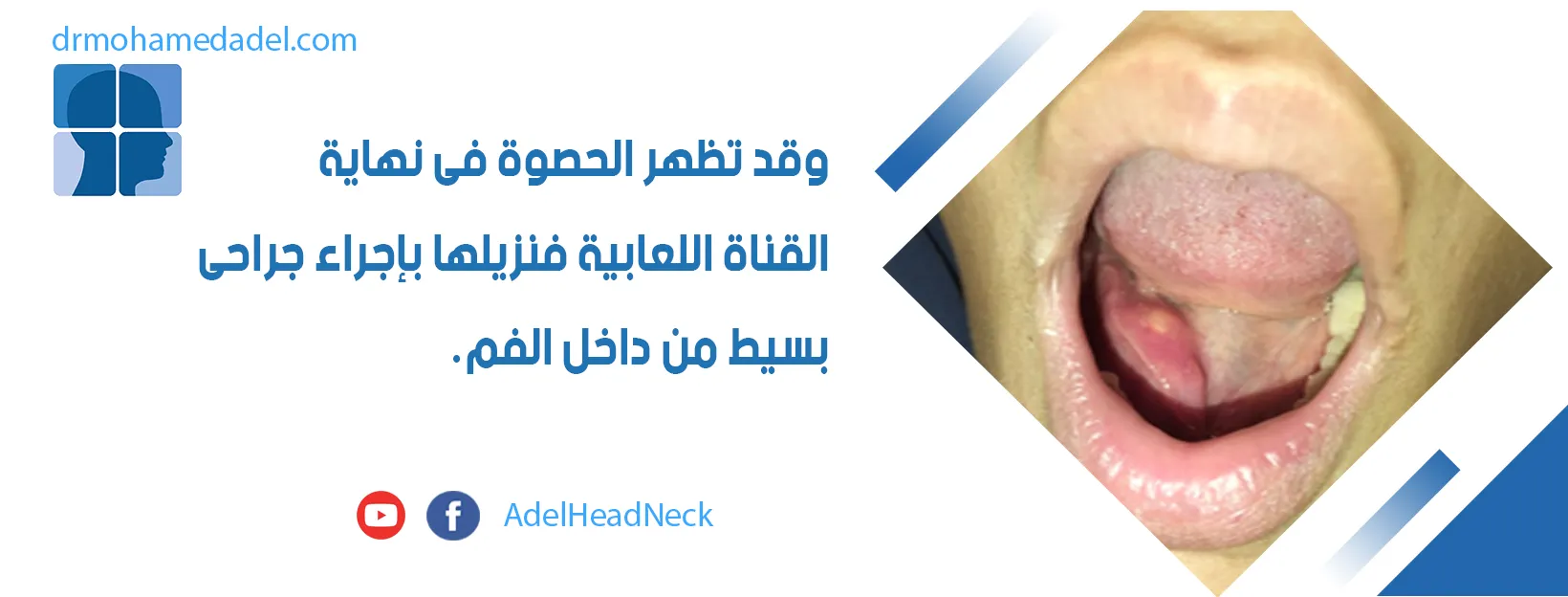
Salivary gland stones can cause pain in the floor of the mouth or the neck. They may also lead to recurrent infections in the mouth, throat, and neck, as well as bad breath or dry mouth.These stones form through the interaction of proteins, calcium deposits, and mineral salts within the ducts of the glands responsible for producing and secreting saliva.Salivary gland stones can be diagnosed using simple imaging tests, such as ultrasound or X-rays.For small stones, removal via salivary duct endoscopy may be an option; however, in cases involving large stones or fibrosis of the salivary gland, surgical removal of the gland through a small incision is necessary.Salivary Gland Tumors in Children
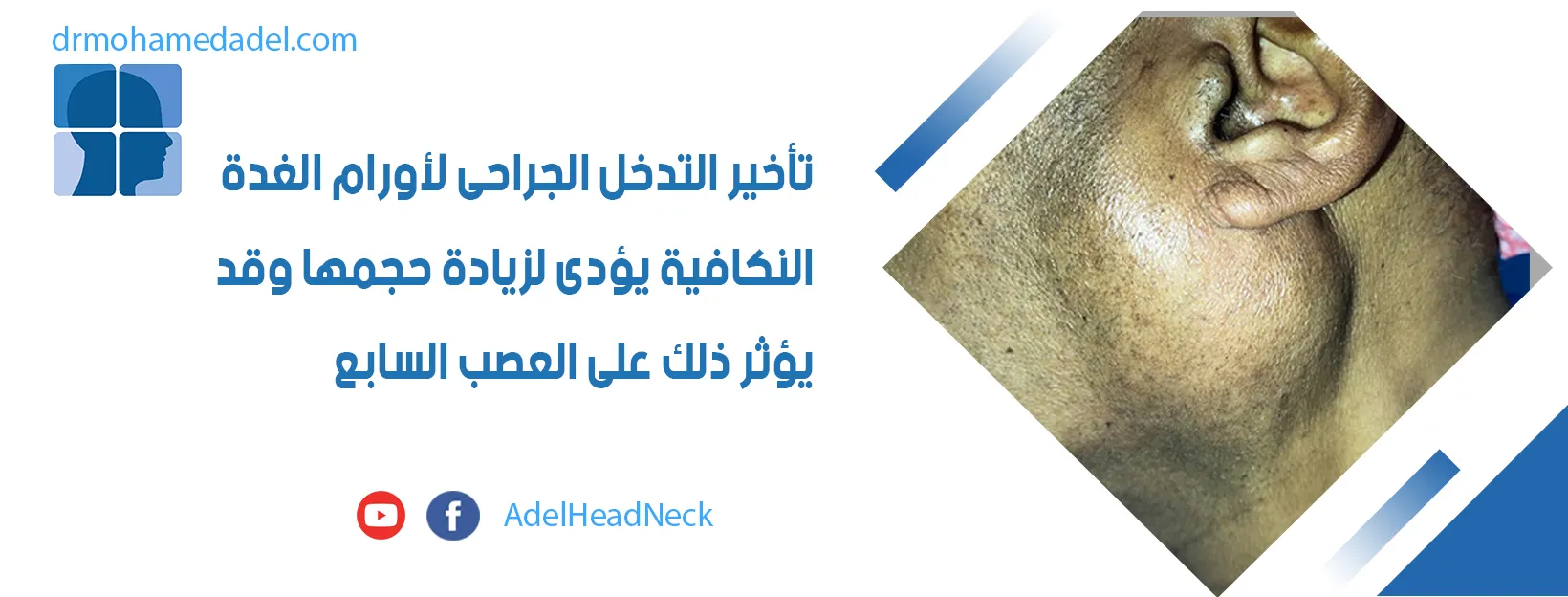
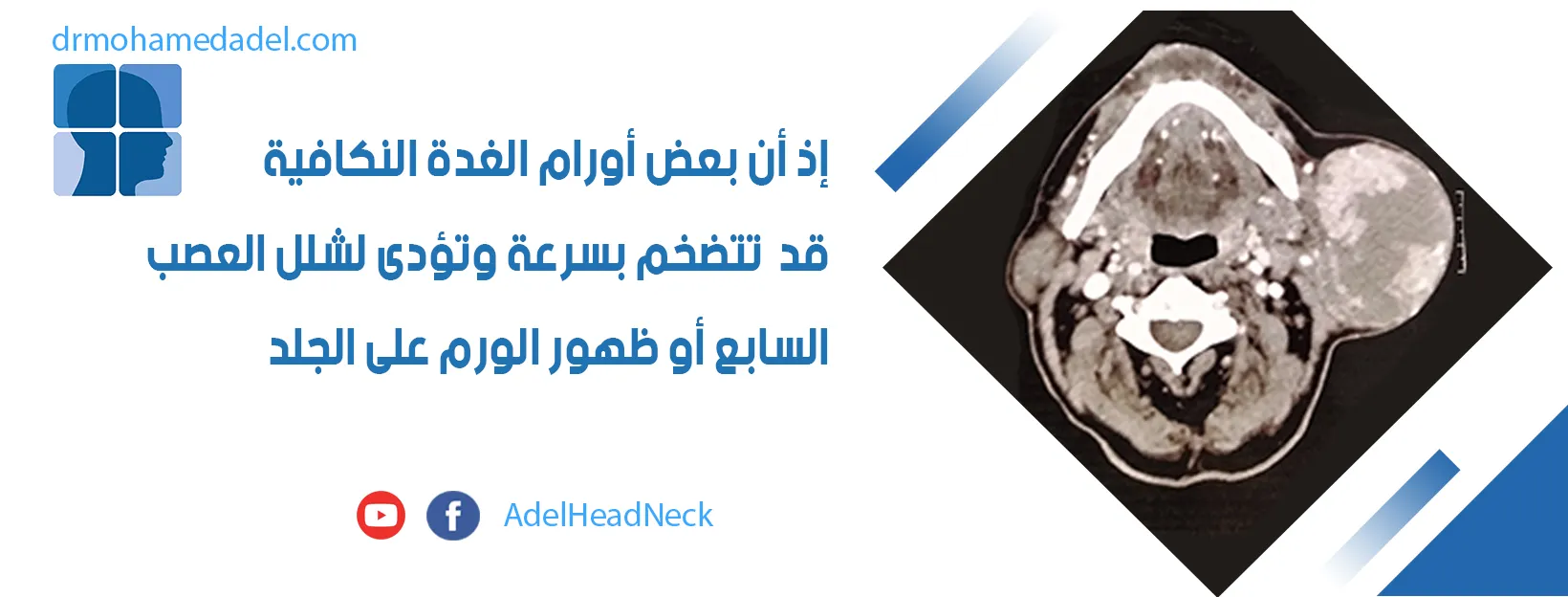
Surgery on the parotid gland in children is rare and presents a significant challenge at such a young age. This is due to anatomical variations compared to adults, as well as the delicate nature of the facial nerve (cranial nerve VII) and its branches, which can be difficult to identify. In such cases, microsurgery and modern nerve-monitoring devices are frequently employed.While salivary glands—particularly the parotid—in children are prone to various viral and bacterial infections, the surgeon’s role is generally limited to diagnosis, treatment, and managing any potential complications. However, once a tumor (whether benign or malignant) is diagnosed, immediate surgery is the optimal treatment; delaying the procedure poses a risk due to the tumor’s rapid growth and its proximity to the branches of the facial nerve.